Top Cultural Events Around the World
Culture gives every place its own identity. It can be seen in traditional food, music, clothing, art, celebrations, history, and the way communities come together. One of the best ways to experience a different culture is by attending a cultural event.
Around the world, people celebrate festivals and events that have been passed down through generations. Some are religious, some are seasonal, while others celebrate music, art, history, or local traditions. These events attract both local communities and international visitors who want to experience something different.
Whether you enjoy colorful celebrations, traditional performances, local food, or historical traditions, cultural events can make travel more meaningful.
Why Cultural Events Are Worth Experiencing
Cultural events provide an opportunity to see a destination beyond its famous landmarks. Instead of simply visiting a city, you can experience how local people celebrate, eat, create art, and maintain traditions.
These events can also introduce travelers to customs they may never encounter in their everyday lives. They encourage curiosity and provide opportunities to learn through direct experience.
For travelers, cultural festivals can become some of the most memorable parts of a trip.
Carnival in Brazil
Brazil’s Carnival is one of the world’s best-known cultural celebrations. It is famous for music, dancing, elaborate costumes, parades, and energetic street celebrations.
Rio de Janeiro is particularly well known for its Carnival festivities and samba performances. The event brings together performers, musicians, dancers, local communities, and visitors.
Beyond the colorful parades, Carnival reflects Brazil’s rich musical and cultural traditions. Visitors can experience live performances, street celebrations, food, and a lively atmosphere throughout the city.
Diwali in India
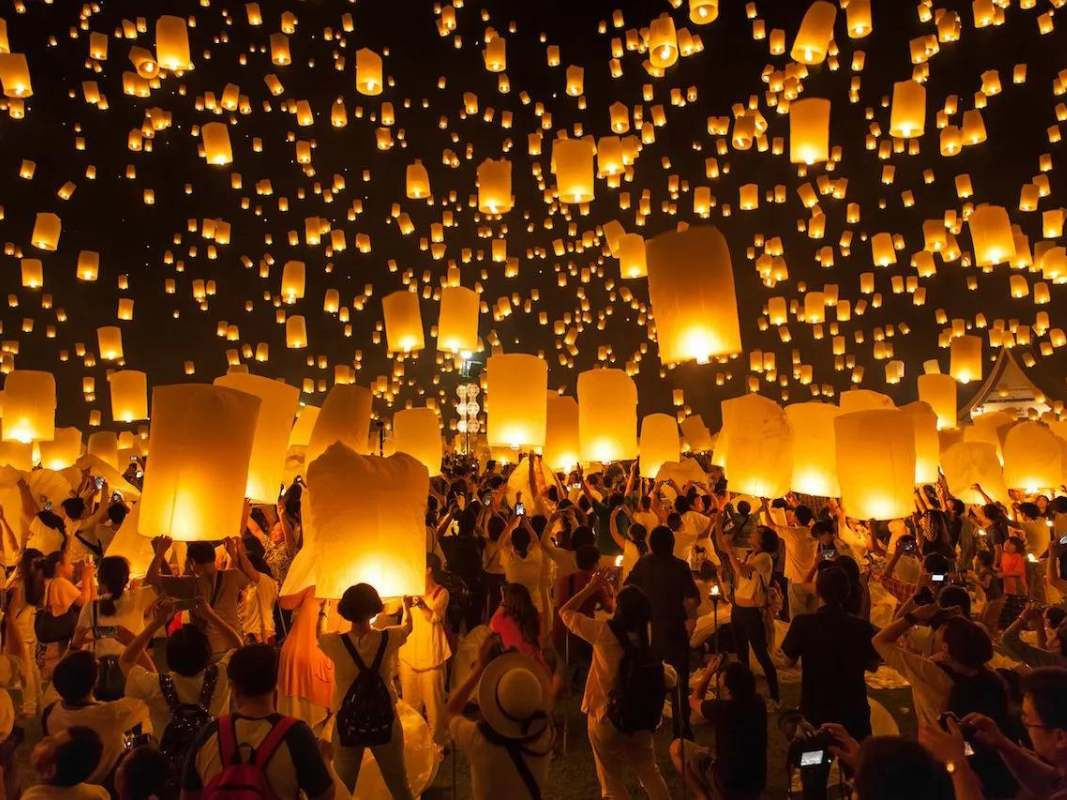
Diwali, often called the Festival of Lights, is widely celebrated across India and by communities around the world.
The celebration is associated with lights, family gatherings, traditional foods, decorations, gifts, and cultural activities. Homes and public spaces are often decorated with lamps and colorful designs.
For visitors, Diwali can provide an opportunity to experience Indian traditions, cuisine, crafts, and community celebrations. Because customs vary between regions and communities, the experience can be different depending on where you visit.
Chinese New Year
Chinese New Year, also known as Lunar New Year in many contexts, is celebrated by Chinese communities and others around the world.
Celebrations commonly include family gatherings, special meals, decorations, cultural performances, and public festivities. Cities with large Chinese communities often organize parades featuring traditional music, costumes, and dragon or lion dances.
The celebration can be especially interesting for travelers because streets, markets, restaurants, and public spaces may take on a completely different atmosphere.
Oktoberfest in Germany
Oktoberfest is one of Germany’s most famous annual celebrations and is held in Munich. Although it is widely known for its food and beer traditions, the event also features music, traditional clothing, amusement rides, parades, and Bavarian cultural elements.
Visitors can experience traditional German dishes, live entertainment, and the atmosphere of one of the world’s most recognizable festivals.
Travelers planning to attend should arrange accommodation well in advance because Munich becomes particularly busy during the festival period.
Day of the Dead in Mexico
Mexico’s Day of the Dead is a cultural tradition that honors deceased family members and loved ones.
The celebration is known for colorful decorations, flowers, candles, artwork, food, and family gatherings. Different regions of Mexico have their own customs and ways of observing the occasion.
Rather than simply viewing it as a festival, visitors should take time to understand its cultural meaning and respect the traditions of the communities celebrating it.
Edinburgh Festival Fringe in Scotland
The Edinburgh Festival Fringe is one of the world’s largest arts festivals. It brings together performers and audiences from many different countries.
The event features theatre, comedy, music, dance, storytelling, and other forms of creative performance. Performances take place across Edinburgh in theaters, halls, outdoor spaces, and unusual venues.
For people interested in the arts, the festival offers a chance to discover both established and emerging performers.
Holi in India and Around the World
Holi is widely known for its colorful celebrations. Participants traditionally gather to play with colored powders and water while enjoying music, food, and social gatherings.
The festival has deep cultural and religious significance, and its traditions vary between regions.
For visitors, Holi can be a visually memorable experience, but it is important to understand local customs and follow guidance about participation, photography, and respectful behavior.
Venice Carnival in Italy
Venice Carnival is known for its historic masks, costumes, performances, and distinctive atmosphere.
The event transforms Venice’s streets and squares into a colorful celebration of art and tradition. Visitors can see elaborate masks and costumes while exploring one of Europe’s most historic cities.
The combination of architecture, canals, traditional costumes, and performances makes Venice Carnival especially attractive to photographers and culture enthusiasts.
Gion Matsuri in Japan
Gion Matsuri is one of Japan’s most famous traditional festivals and takes place in Kyoto.
The festival has a long history and includes processions, traditional decorations, ceremonies, and community activities. Large floats are an important part of the celebrations.
Visitors interested in Japanese history and traditional culture can experience a side of Kyoto that goes beyond its temples and tourist attractions.
Oktoberfest and European Cultural Festivals
Europe has a wide variety of cultural events throughout the year. Many cities organize traditional festivals featuring food, music, crafts, parades, and regional customs.
From Spain and Italy to Germany, France, and Eastern Europe, each region has its own traditions.
Exploring smaller local festivals can sometimes provide a more personal experience because they may focus strongly on regional customs rather than international tourism.
Cultural Events in Pakistan
Pakistan also has a rich cultural calendar. Events across the country celebrate regional music, literature, food, crafts, poetry, and traditional arts.
Lahore, Karachi, Islamabad, Peshawar, Multan, and other cities host cultural and literary activities throughout the year.
Pakistan’s regional diversity means that cultural experiences can vary significantly from one area to another. Travelers can discover different languages, foods, clothing styles, music traditions, and crafts within the same country.
How to Experience Cultural Events Respectfully
When attending a cultural event, it is important to remember that you are visiting a tradition that may have deep meaning for the local community.
Learn a little about the event before attending. Follow local rules, ask permission before photographing people when appropriate, and avoid treating meaningful traditions as simple entertainment.
Respectful behavior allows visitors to enjoy the event while also showing appreciation for the people and communities who maintain these traditions.
Planning Your Cultural Trip
If you are traveling specifically for a cultural event, planning ahead is important.
Check the official event dates, venue information, transportation options, accommodation availability, and entry requirements. Popular festivals can attract large crowds, so hotels and transportation may become more expensive or difficult to arrange.
It is also useful to research local customs before arriving. Understanding basic etiquette can make your experience smoother and more respectful.
Explore Beyond the Main Event
A cultural festival can be a starting point for exploring the destination itself.
Visit local markets, museums, historic neighborhoods, restaurants, galleries, and traditional craft shops. Try regional food and learn about the history behind the event.
Combining a festival with other local experiences can turn a short visit into a much richer cultural journey.
Final Thoughts
Cultural events around the world offer travelers a unique way to understand different communities and traditions. From Carnival in Brazil and Diwali in India to Chinese New Year, Venice Carnival, Gion Matsuri, and Mexico’s Day of the Dead, every celebration has its own character and history.
You do not have to visit the world’s biggest festivals to have a meaningful experience. Smaller regional events can also provide valuable opportunities to learn, explore, and connect with local communities.
Before attending any cultural event, research its history and traditions, plan your trip carefully, and approach the experience with curiosity and respect. When you do, a cultural festival can become much more than a day of entertainment—it can become an opportunity to see the world from a different perspective.


You May Also Like
ADCB Metro Station Dubai: Everything Nobody Tells Tourists First
Local Events You Shouldn’t Miss